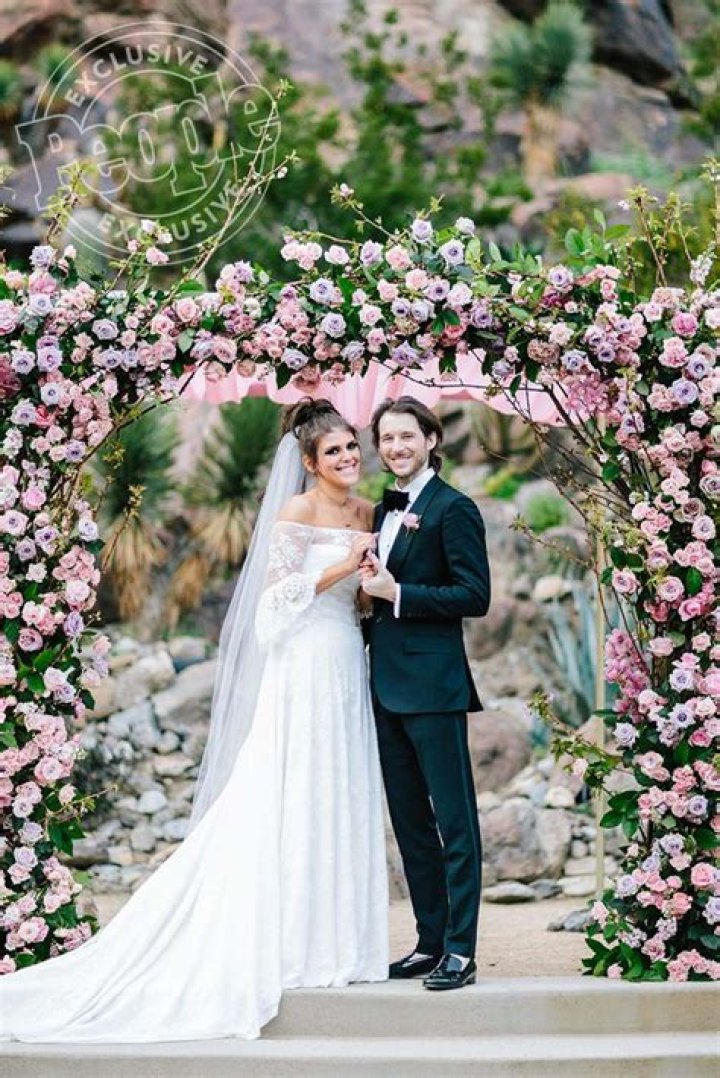
In an age where visual storytelling has become an essential part of our culture, the "gypsy rose scene picture" stands out as a captivating representation of a unique lifestyle and aesthetic. This imagery evokes a sense of mystery, freedom, and beauty, drawing viewers into the world of those who embrace a non-conventional way of living. From the vibrant colors to the intricate details, these pictures tell stories that resonate with many, inviting us to explore deeper themes of identity and belonging.
As we delve into the significance of the "gypsy rose scene picture," it’s crucial to understand the cultural context behind it. The term "gypsy" often refers to the Romani people, a group with a rich heritage that has been both celebrated and misunderstood throughout history. The rose, a symbol of love and beauty, complements this imagery, representing the delicate balance of life’s joys and struggles. Together, they create a narrative that is both enchanting and thought-provoking.
In this article, we will explore various facets of the "gypsy rose scene picture," including its cultural implications, artistic interpretations, and the stories behind the individuals who embody this aesthetic. From the allure of the gypsy lifestyle to the emotional resonance of these scenes, we aim to uncover the layers that make this imagery so compelling.
Who is Gypsy Rose Blanchard?
Gypsy Rose Blanchard is an intriguing figure who has gained notoriety for her complex life story. Born on July 27, 1991, she became widely recognized due to the highly publicized case surrounding her upbringing and the tragic events that followed. Gypsy was raised by her mother, Dee Dee Blanchard, who suffered from Munchausen syndrome by proxy, leading to years of medical abuse and manipulation.
| Personal Details | Biography |
|---|---|
| Name | Gypsy Rose Blanchard |
| Date of Birth | July 27, 1991 |
| Place of Birth | Louisiana, USA |
| Occupation | Public Figure, Activist |
| Known For | Her case of abuse and the subsequent murder of her mother |
What Makes the Gypsy Rose Scene Picture So Unique?
The "gypsy rose scene picture" captures a unique aesthetic that combines elements of freedom, nature, and the unconventional beauty of the Romani lifestyle. Often featuring rich colors, flowing fabrics, and natural settings, these images invite viewers to appreciate the beauty of a life lived outside societal norms. The scenes often evoke a sense of nostalgia and longing, making them relatable to many who feel disconnected from mainstream culture.
How Do Artists Interpret the Gypsy Rose Scene Picture?
Artists draw inspiration from the "gypsy rose scene picture" in various ways. Some may focus on the emotional depth of the imagery, capturing moments of joy, sorrow, and reflection. Others might emphasize the vibrant colors and intricate details, celebrating the visual beauty of the gypsy lifestyle. Through painting, photography, and digital art, these interpretations allow for a diverse range of expressions that resonate with different audiences.
What Are the Cultural Significances of the Gypsy Rose Scene Picture?
The "gypsy rose scene picture" holds significant cultural meaning, particularly in relation to the Romani community. These images often challenge stereotypes and misconceptions about gypsy life, highlighting the richness of the culture and the struggles faced by its people. By showcasing the beauty and complexity of this lifestyle, these pictures help to foster understanding and appreciation among broader audiences.
How Can the Gypsy Rose Scene Picture Inspire a New Generation?
For many, the "gypsy rose scene picture" serves as a source of inspiration, encouraging individuals to embrace their uniqueness and challenge societal norms. The imagery often promotes themes of freedom, self-expression, and resilience, resonating with those who feel marginalized or misunderstood. As new generations engage with these visuals, they may find encouragement to pursue their passions and live authentically.
What Are Some Notable Examples of Gypsy Rose Scene Pictures?
- Photographic series capturing gypsy festivals and gatherings
- Paintings that depict the beauty of nature intertwined with gypsy culture
- Digital art inspired by the themes of freedom and self-discovery
- Documentaries showcasing real-life stories of individuals living the gypsy lifestyle
What Is the Future of the Gypsy Rose Scene Picture in Popular Culture?
As society continues to evolve, the "gypsy rose scene picture" may take on new meanings and interpretations in popular culture. With the rise of social media and digital art, more artists and storytellers are able to share their perspectives on this unique aesthetic. This accessibility may lead to greater awareness and appreciation of the gypsy lifestyle, fostering a renewed interest in its cultural significance.
In conclusion, the "gypsy rose scene picture" is a captivating representation of a rich cultural narrative that invites exploration and understanding. Through its unique aesthetic and emotional depth, it challenges us to consider the beauty of diversity and the importance of embracing one's identity. As we continue to engage with these images, we contribute to a broader conversation about culture, identity, and the human experience.
Unraveling Luke Combs’ Political Affiliations: Is Luke Combs A Democrat?
Unveiling The Personal Life Of Jasmine Crockett: Is She Married With Children?
Unraveling The Mystery Behind Gypsy Rose's Crime Scene Photos